
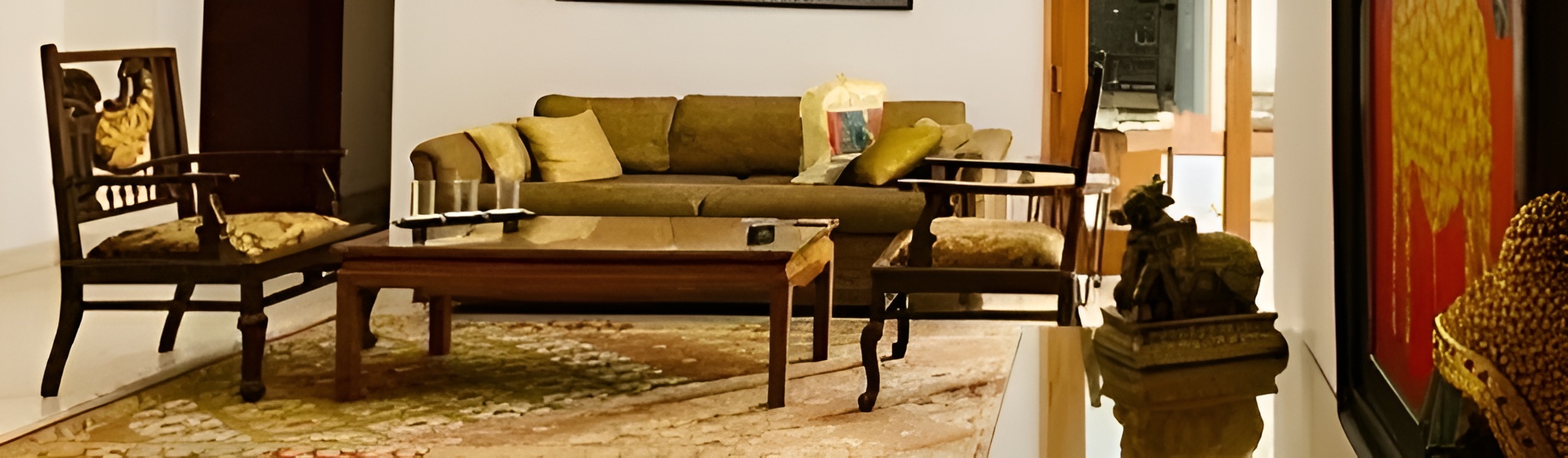
Atithi Devo Bhava: Discovering Indian Hospitality at Thikana Delhi
In ancient Hindu philosophy, hospitality was never just a service, it was a sacred duty. Atithi Devo Bhava is a Sanskrit phrase that translates to “The guest is God.” Rooted in the Upanishads, it is a timeless principle that reflects India's deep spiritual regard for those who come into our homes.
Traditionally, an atithi, or guest, was to be welcomed with as much reverence as one would offer to the divine. This wasn’t limited to rituals or grand gestures, but extended into everyday life, ensuring the guest was fed, comfortable, and at peace.
Even today, this idea continues to shape how Indians welcome others. Whether in a remote village or a bustling city apartment, you’ll find families offering tea to strangers, neighbours inviting visitors in for meals, and hosts going out of their way to make a guest feel at home. It is this cultural tradition, this instinct to extend warmth, that sets Indian hospitality apart.
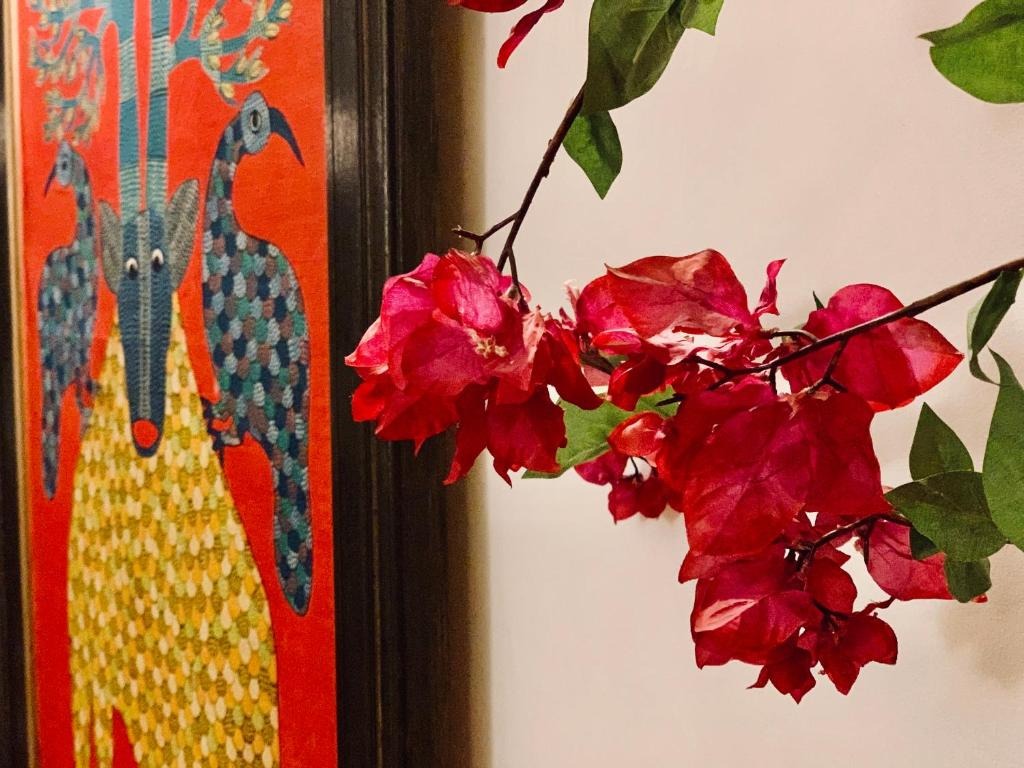
Where Philosophy Meets Practice: Thikana Delhi
At Thikana Delhi, a boutique bed and breakfast, Atithi Devo Bhava is not just an ancient phrase, it is lived every single day.
The moment a guest arrives, they are welcomed not with formality, but with warmth. A hot cup of masala chai or South Indian filter coffee awaits, and in the warmer months, a chilled glass of mint-infused sweet lime or tender coconut water offers comfort from the Delhi heat.
For those who arrive late into the night, perhaps tired, unsure, or hungry, a handwritten note awaits them. It gently guides them through the home, explaining how to settle in, where to find water, and what comforts are available even in the quietest hours. The next morning, they’re met not with a form but with a warm smile and the inviting aroma of freshly prepared breakfast.

Hospitality in the Everyday
The experience at Thikana Delhi is fluid and intuitive. Some guests quietly curl up in reading corners, while others wander into the kitchen to refill their water bottles or ask for a second helping of something they liked. No one is confined to their rooms. The house becomes their own.
Conversations drift from travel tips to life stories. Some guests are looking for solitude, others for stories. The rhythm of the house adjusts to each person.
Mornings begin at the shared dining table, where breakfast is served unhurriedly. The spread changes each day, featuring Indian and continental dishes made with fresh, locally sourced ingredients. What begins as a shared meal quickly becomes a shared experience. Strangers become companions, laughter travels across languages, and guests often leave with more than just good memories. They leave with friendships.
Experiencing Festivals as One
Guests who stay during festive times are welcomed into celebrations with genuine joy. Whether it’s Diwali, Holi, or Bhai Dooj, they’re invited to take part in lighting diyas, helping with rangoli, receiving tilaks, or sharing sweets.
There’s no scripted performance here. Just a natural invitation to be part of the family, to witness India not from the outside, but from the heart of a home.
A Living Tradition
At Thikana, the philosophy of Atithi Devo Bhava is woven into the details. It’s there in the cup of tea prepared just the way you like it. It’s there when a team member remembers your name. In the breakfast plate that includes a little extra of what you loved yesterday. It’s in the recommendation of a quiet bookstore, the conversation about a hidden monument, or the thoughtful silence when all you want is space.
The house doesn’t run on rules, it runs on attentiveness. And in this, it stays true to its deepest intention.
A Home That Lives Its Values
Thikana is not just a place to stay. It is a home that reflects the belief that to host is to honour. Here, guests aren’t just occupants. They are part of the household.
The team responds not with scripts, but with sincerity. The care is subtle, never showy. It meets each guest where they are — whether they seek quiet comfort or cultural immersion, solitude or connection.
And perhaps that’s what makes people return. Not just to the place, but to the feeling it leaves behind.

